Fudgy Brownie Recipe: One Bowl, Shiny Top, Dense Center
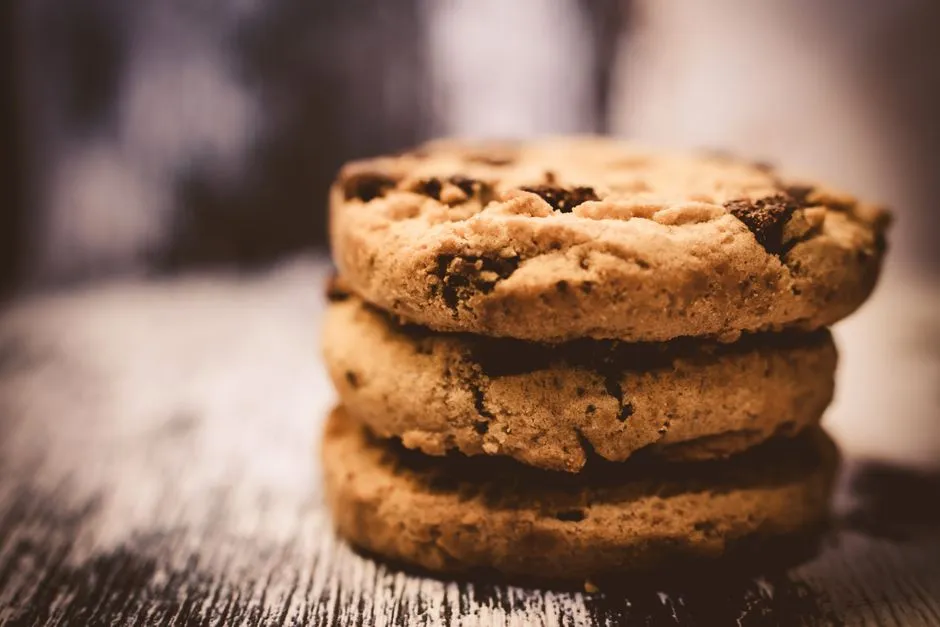
- How to Make Fudgy Brownies in One Bowl
- Fudgy vs. Cakey Brownies: What Actually Changes
- Ingredients (20 cm / 8-Inch Square Pan)
- Step-by-Step: The One-Bowl Method
- The Shiny, Crackly Top, Explained
- How to Tell When Fudgy Brownies Are Done
- Troubleshooting
- Storage and Make-Ahead
- Scaling Up: 23×33 cm (9×13-Inch) Pan
How to Make Fudgy Brownies in One Bowl
A fudgy brownie is a brownie with a high ratio of fat and sugar to flour, so it sets dense and moist instead of rising into cake. This recipe gets there with 170 g melted butter, 65 g cocoa powder, and only 60 g flour in a 20 cm (8-inch) square pan — mixed in one bowl, no mixer, about 15 minutes of work before the pan goes in the oven. The payoff is a shiny, crackly top, chewy edges, and a center that stays dense and glossy after cooling.
Everything below is measured in grams first, because brownies punish small measuring errors more than almost any other bake. A few extra spoonfuls of flour is the whole difference between fudgy and dry.
Fudgy vs. Cakey Brownies: What Actually Changes
The fudgy-versus-cakey question comes down to ratios, not brand of chocolate or mixing folklore. A fudgy brownie keeps flour low and fat high, skips chemical leavening, and relies on eggs alone for structure. A cakey brownie flips those levers: more flour, less fat, often a little baking powder, and more air beaten in.
| Lever | Fudgy brownies | Cakey brownies |
|---|---|---|
| Flour | Low (60 g here) | High (120 g or more) |
| Fat | High (170 g butter) | Moderate |
| Leavening | None | Often ¼–½ tsp baking powder |
| Mixing | Vigorous only at the egg stage | Air beaten in throughout |
| Bake | Pulled early, moist crumbs on tester | Baked until tester is clean |
If your brownies keep coming out cakey, the usual culprits are scooped-and-packed flour cups (which can hold 20–30% more flour than a level spoon-and-sweep cup), added leavening, or overbaking. A scale fixes the first problem permanently.
Ingredients (20 cm / 8-Inch Square Pan)
- 170 g unsalted butter (¾ cup / 12 tablespoons)
- 250 g granulated sugar (1¼ cups)
- 65 g unsweetened cocoa powder (about ¾ cup) — natural or Dutch-process both work here, since there's no leavening to react with
- ½ teaspoon fine salt
- 2 large eggs, plus 1 yolk, at room temperature
- 1 teaspoon vanilla extract
- 60 g all-purpose flour (½ cup, spooned and leveled)
- 90 g chopped dark chocolate or chips (about ½ cup), optional but recommended
That extra yolk matters: yolks are rich in fat and emulsifiers, so it nudges the texture toward fudge without loosening the batter the way a whole third egg would.
Cocoa-only brownies are deliberate, not a compromise. Cocoa powder is mostly pure cocoa solids with very little cocoa butter, so it delivers intense chocolate flavor without adding fat that would need to be balanced elsewhere. Melted bar chocolate in the batter actually makes the ratio harder to control; chopped chocolate stirred in at the end gives you molten pockets without changing the structure.
Step-by-Step: The One-Bowl Method
1. Prep. Heat the oven to 165°C (325°F) with a rack in the center. Line the pan with parchment, leaving overhang on two sides for lifting.
2. Melt the butter. Melt the butter in a large microwave-safe bowl (or in a saucepan, then transfer). It should be hot to the touch, not just softened.
3. Whisk in sugar, cocoa, and salt. Add the sugar, cocoa, and salt to the hot butter and whisk until you have a thick, grainy paste. It will look like wet sand — that's correct. Let it sit for 2–3 minutes so the residual heat starts dissolving the sugar.
4. Beat in the eggs — this is the shiny-top step. Add the vanilla, then the eggs and yolk one at a time, whisking hard for about 45–60 seconds after each addition. The batter should turn noticeably glossy, smooth, and thick, like frosting. Don't rush this stage; it's doing two jobs at once (more on that below).
5. Fold in the flour. Add the flour and switch to a spatula. Fold just until no dry streaks remain, then give it about ten more strokes — with this little flour, a bit of gluten development helps chew rather than hurting tenderness. Fold in the chopped chocolate.
6. Bake. Spread the batter into the pan — it's thick, so push it into the corners. Bake for 25–30 minutes. Start checking at 25.
7. Cool completely. At least 2 hours in the pan on a rack. Fudgy brownies finish setting as they cool; cut them warm and you'll get delicious sludge, not clean squares.
For neat slices, chill the cooled slab for 30 minutes, lift it out by the parchment, and cut with a long knife wiped clean between cuts. A 4×4 grid gives 16 rich two-bite squares.
The Shiny, Crackly Top, Explained
That papery, shattering top layer isn't a mystery ingredient — it's dissolved sugar. When enough sugar dissolves fully into the eggs and fat, some of it migrates to the surface during baking and dries into a thin, glossy, meringue-like crust.
Three things in this recipe make it happen reliably:
- Hot butter. Adding sugar to hot melted butter starts the dissolving before the eggs even arrive.
- Vigorous whisking at the egg stage. A full minute of hard whisking per egg dissolves more sugar and builds the glossy emulsion the crust forms from.
- Enough sugar, period. Cutting the sugar significantly is the most common reason a crackly top never shows up. Reduce it if you like a less sweet brownie — just know the top is part of what you're trading away.
If you want extra insurance, the chopped chocolate helps too: bits of it melt near the surface and reinforce the sheen.
How to Tell When Fudgy Brownies Are Done
Doneness is where fudgy brownies are won or lost, because they're deliberately pulled before a cake-style "clean toothpick" stage.
- The tester cue: a toothpick inserted halfway between the center and the edge should come out with moist crumbs and a few smears — not liquid batter, not clean.
- The visual cue: the edges are set and just pulling away from the pan; the center looks set on top but still gives slightly.
- The trap: a toothpick in the dead center may hit a melted chocolate pocket and mislead you. Test off-center.
Carryover heat keeps cooking the slab for several minutes after it comes out. If you're torn between two times, pull early — an underbaked brownie firms up in the fridge; an overbaked one is dry forever.
This is the same judgment call that makes or breaks chewy chocolate chip cookies: the residual-heat window between "set" and "overdone" is short, and the pan keeps baking after the oven stops.
Troubleshooting
Cakey instead of fudgy. Too much flour (weigh it), added baking powder from a habit of other recipes, or 5+ extra minutes in the oven. All three push the texture the same direction.
No shiny top. Sugar didn't dissolve enough — butter wasn't hot when the sugar went in, or the egg-stage whisking was too brief. Reduced-sugar batches also lose the crust.
Greasy or separated. The batter broke, usually because the eggs went into butter that was still near-boiling. Hot is right; just-melted-and-scorching is not. Let a saucepan of browned-hot butter stand a minute or two first.
Sunken middle. Pulled far too early, or the pan size was smaller than 20 cm, making the slab thicker than the bake time accounts for. In a smaller pan, add 5–10 minutes and rely on the tester.
Hard, dry edges. Overbaking, or a dark metal pan running hot. Dark pans absorb more radiant heat; drop the oven to 150°C (300°F) and start checking a few minutes early.
Storage and Make-Ahead
Fudgy brownies keep better than most desserts because moisture is the whole point of them.
- Room temperature: airtight container, up to 4 days. They're arguably better on day two, once the crumb settles.
- Refrigerated: up to a week, and the chill makes them denser and more truffle-like — many people prefer them this way.
- Frozen: wrap individual squares tightly and freeze up to 3 months. Thaw at room temperature for about an hour, or eat one half-frozen; nobody will judge.
Unlike egg-custard desserts, a fully baked brownie is shelf-stable at room temperature — the eggs are cooked through and bound in a low-moisture crumb. That's a real difference from something like a classic baked cheesecake, which is a set custard and must be refrigerated within two hours of cooling.
Scaling Up: 23×33 cm (9×13-Inch) Pan
Double every ingredient exactly — 340 g butter, 500 g sugar, 130 g cocoa, 120 g flour, 4 eggs plus 2 yolks, 1 teaspoon salt, 2 teaspoons vanilla, 180 g chopped chocolate. A 23×33 cm pan has roughly twice the area of a 20 cm square, so the slab bakes to about the same thickness. Keep the oven at 165°C (325°F) and expect 30–35 minutes; the larger slab holds heat longer, so trust the moist-crumb tester over the clock.
Once you've internalized the levers here — flour low, fat high, sugar dissolved, bake pulled early — you can read any brownie recipe and predict its texture before you turn on the oven. That's the skill every recipe in our cookies and bars collection is built to teach: not just what to do, but which number is doing it.